



3 Days Mount Toubkal Ascent Trek
$0
/ per person
(0 Reviews)
3 Days Mount Toubkal Ascent Trek, Climb Mount Toubkal, North Africa’s highest peak, on a 3-day guided ascent from Marrakech with Berber villages, scenic valleys, and expert mountain guides.
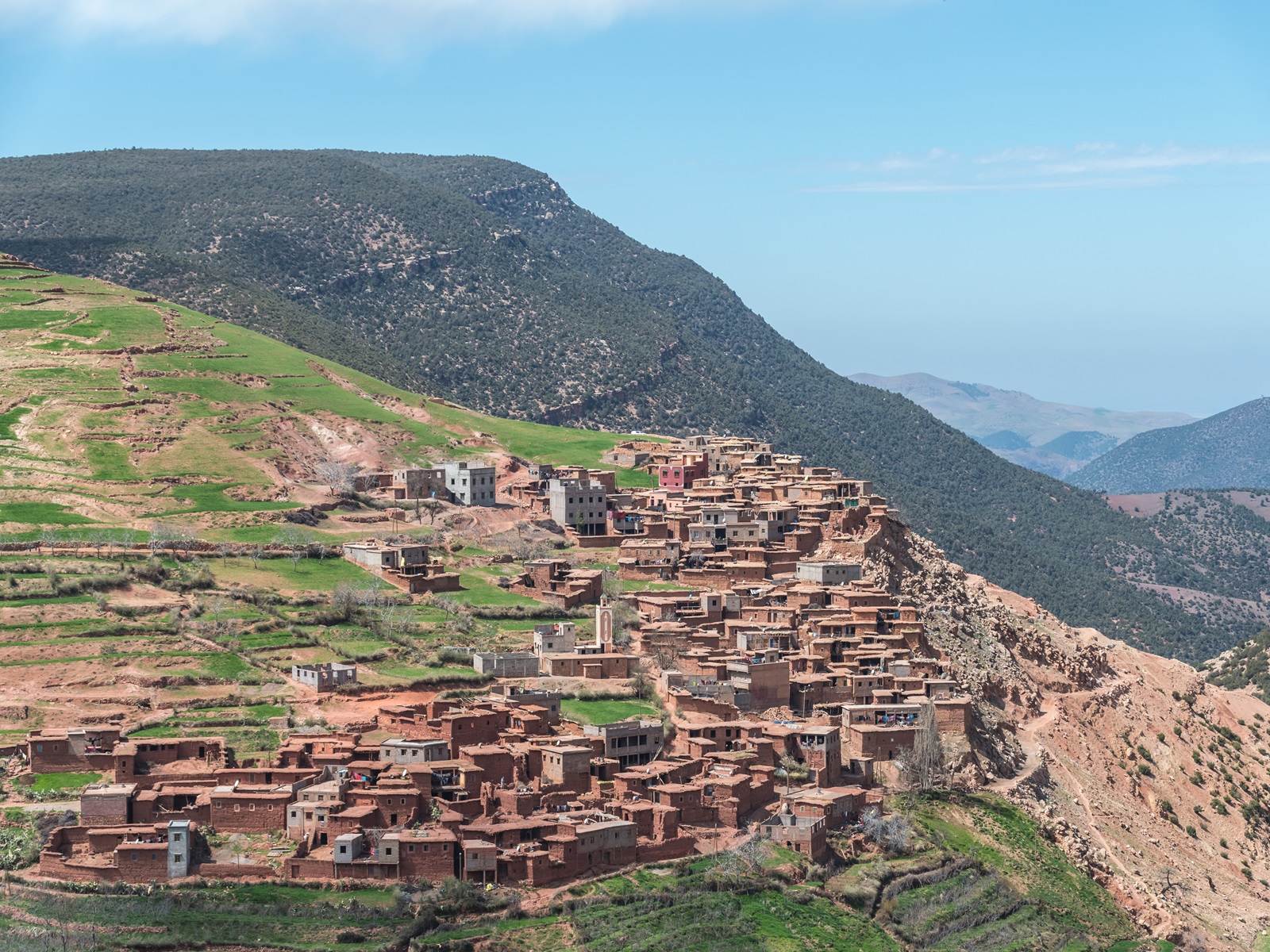
This 3-day Mount Toubkal ascent is perfect for hikers with good fitness looking to reach the summit of Jebel Toubkal (4,167m) while enjoying gradual acclimatization, breathtaking landscapes, and authentic Berber hospitality.
Included
- Transport Marrakech ↔ Imlil
- Licensed mountain guide
- Mule and muleteer for luggage
- Accommodation (2 nights: refuge/guesthouse)
- Full board during the trek
- Cooking equipment and meals
Not Included
- Sleeping bag at refuge
- Personal hiking equipment
- Travel insurance
- Tips and personal expenses
-
Departure
Marrakech -
Departure Time
8 AM -
Return Time
6 PM -
Dress Code
Comfort Shoes and Cloths
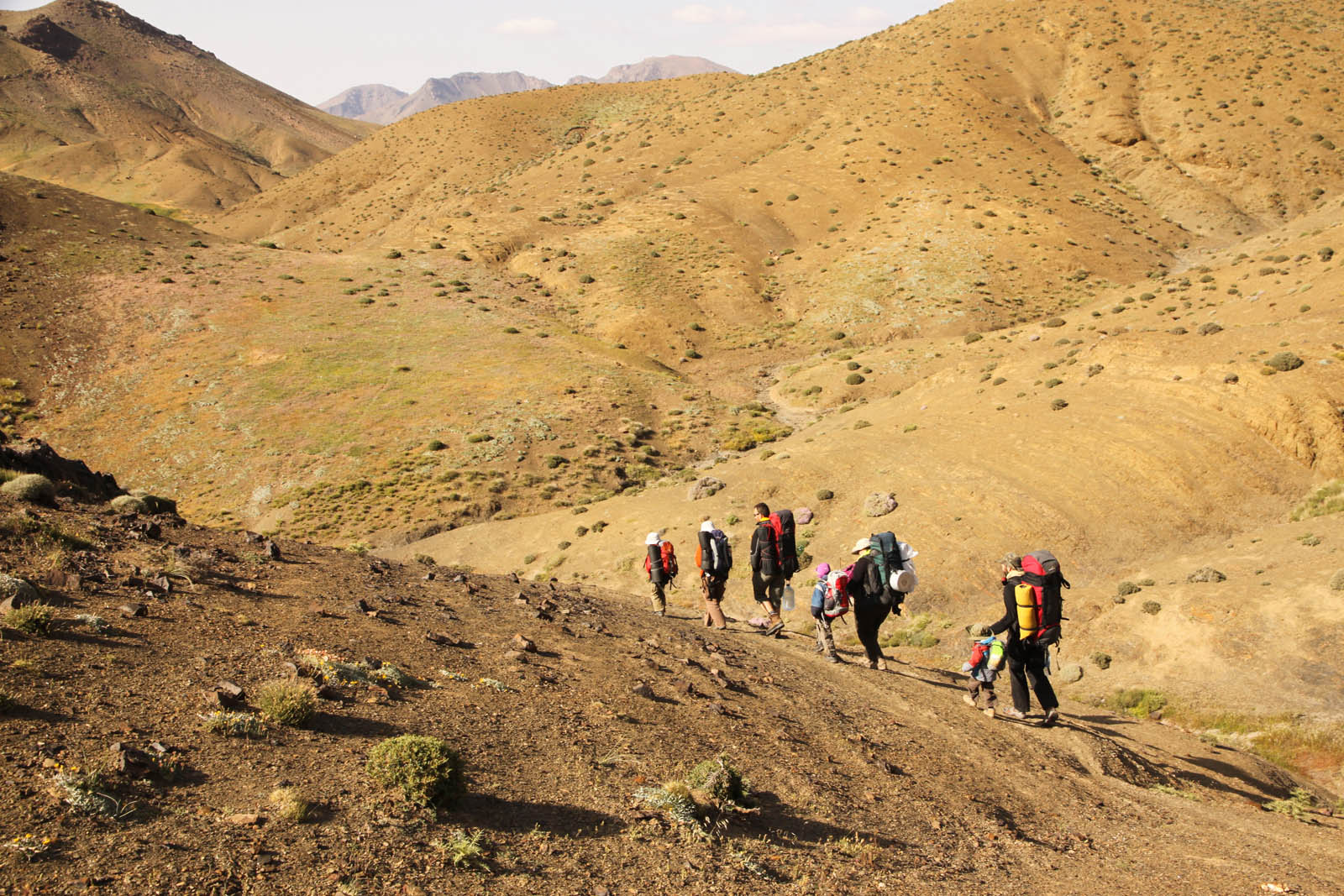
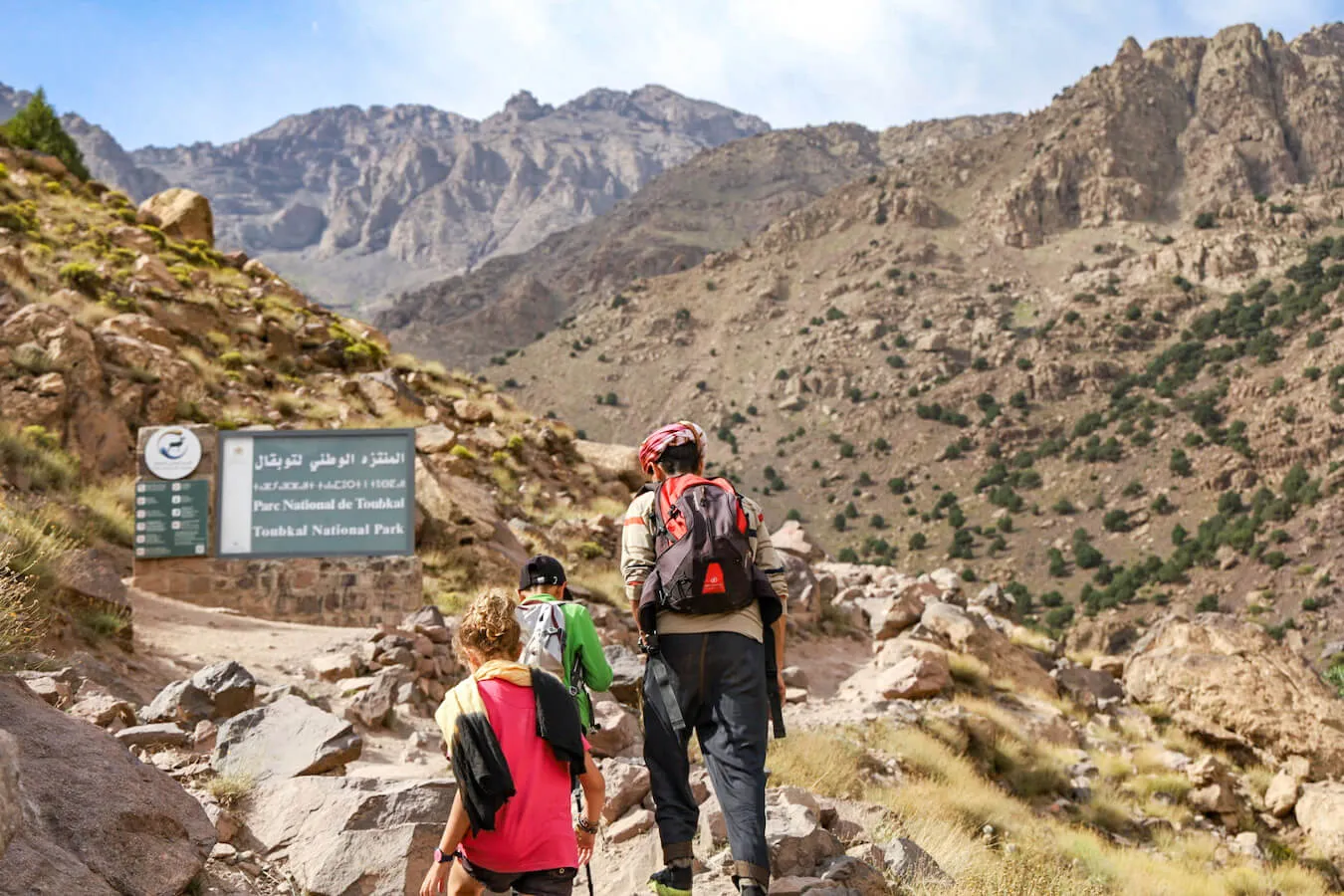
From our gallery
Tour Plan
1
Day 1: Marrakech – Imlil – Aroumd – Sidi Chamharouch – Toubkal Refuge
2
Day 2: Mount Toubkal Summit (4,167m) – Toubkal Refuge
- Early wake-up call before dawn
- Steady ascent over rocky trails toward the summit
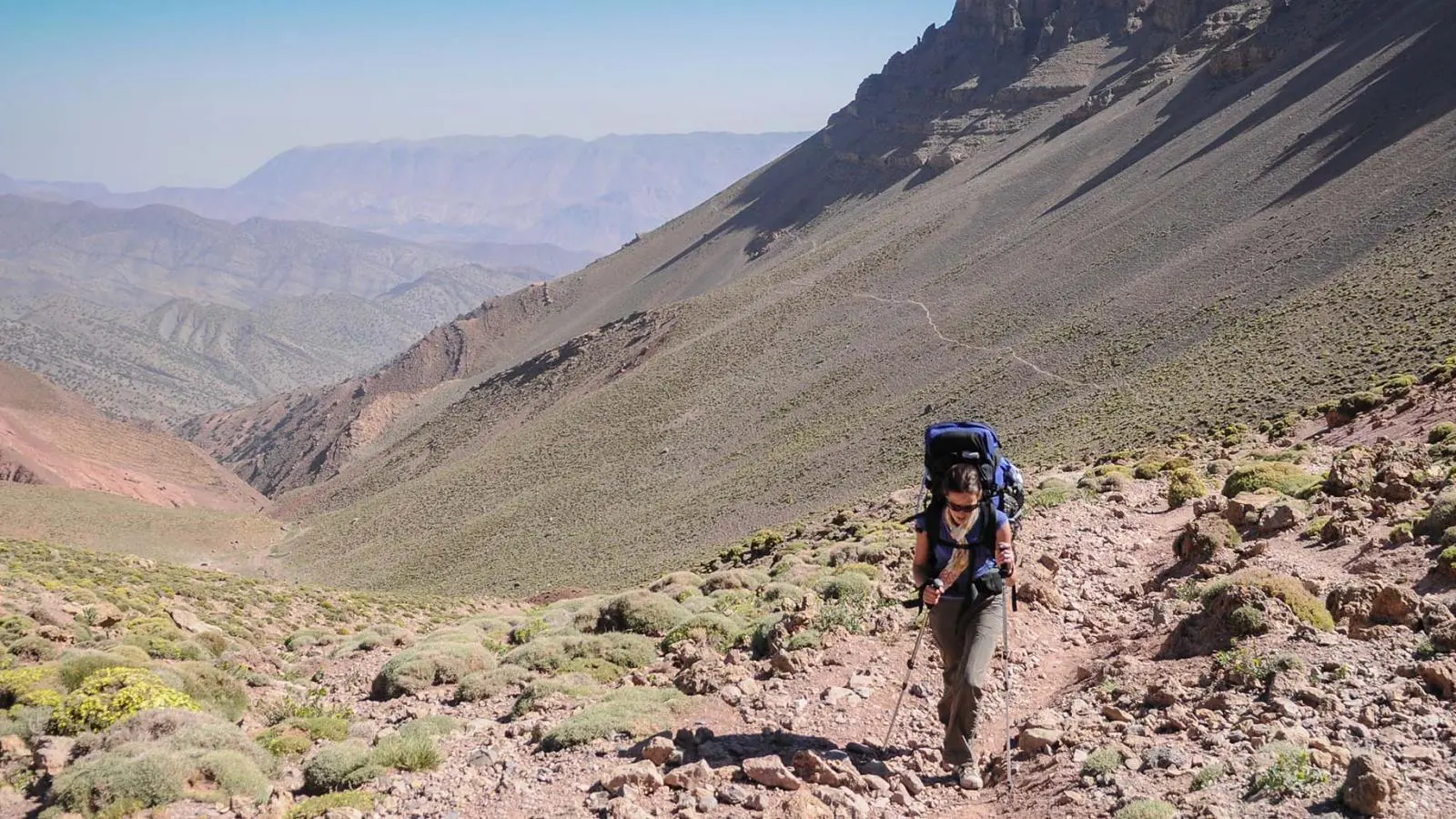
- Reach the summit of Mount Toubkal, offering panoramic views across the Atlas Mountains and, on clear days, the Sahara Desert
- Time for photos and rest at the top
- Descent back to Toubkal Refuge
- Afternoon at leisure for recovery
- Dinner and overnight at the refuge
3
Day 3: Refuge – Imlil – Marrakech
- Breakfast at the refuge
- Descend through the Mizane Valley
- Pass through Sidi Chamharouch and Aroumd village
- Return to Imlil
- Lunch before transfer back to Marrakech
Gallery
🧭 Tour Information – High Atlas Mountains & Mount Toubkal Treks
This section applies to all trekking and hiking tours in the High Atlas Mountains, including Berber village hikes and Mount Toubkal ascents.
🥾 What You Should Bring
To ensure a safe and comfortable trekking experience, we recommend bringing the following essentials:
- Comfortable trekking backpack (20–35L)
- Good-quality hiking boots (well broken-in)
- Warm sleeping bag (especially for refuge stays)
- Trekking poles (optional but highly recommended)
- Reusable water bottle or hydration system
- Sunscreen (high SPF), lip balm & sunglasses
- Personal first aid kit & medications
- Headlamp or torch (important for summit days)
- Camera or phone for photos
- Personal toiletries & wet wipes
- Cash for tips and personal expenses
- Lightweight, breathable hiking clothes
- Warm fleece or down jacket
- Waterproof and windproof jacket
- Trekking trousers (convertible recommended)
- Thermal base layers (for high altitude or winter)
- Sun hat or cap
- Warm hat and gloves (essential above 3,000m)
- Comfortable hiking socks (plus spare pairs)
- Spring (March–May): Mild temperatures, green valleys, wildflowers
- Autumn (September–November): Clear skies, perfect hiking conditions
- Possible but warmer at lower altitudes
- Early starts recommended
- Snow above 3,000m
- Ideal for experienced trekkers and winter ascents of Mount Toubkal
- Requires winter equipment and professional guidance
- Berber village treks: Easy to moderate
- High Atlas multi-day treks: Moderate
- Mount Toubkal ascent: Moderate to challenging
- All treks are led by licensed, experienced local mountain guides
- Mule support is provided to carry luggage and supplies
- First aid equipment is carried by guides
- Routes are adapted based on weather and group ability
- Safety and comfort are our top priorities
- Accommodation in Berber guesthouses, mountain lodges, or refuges
- Clean, simple, and authentic mountain hospitality
- Meals are freshly prepared by our cook and include:
- Breakfast, picnic lunches, and hot dinners
- Vegetarian options available upon request
- Mineral water is provided during the trek
- Traditional Moroccan meals (tajines, soups, salads)
- Special dietary requirements can be arranged in advance
- Mules carry main luggage (max weight applies)
- You only carry a daypack during hikes
- Personal valuables should stay with you
- Mountain guide
- Muleteers
- Cook
- Trekking and hiking activities
- High-altitude trekking (for Toubkal)
- Medical evacuation
- Hiring local guides and muleteers
- Using local guesthouses
- Respecting Berber culture and traditions
- Practicing Leave No Trace principles
- Help you choose the right trek
- Advise on equipment rental
- Customize your itinerary
- Answer any pre-departure questions