




5 Days High Atlas Mountains Hiking
$0
/ per person
(0 Reviews)
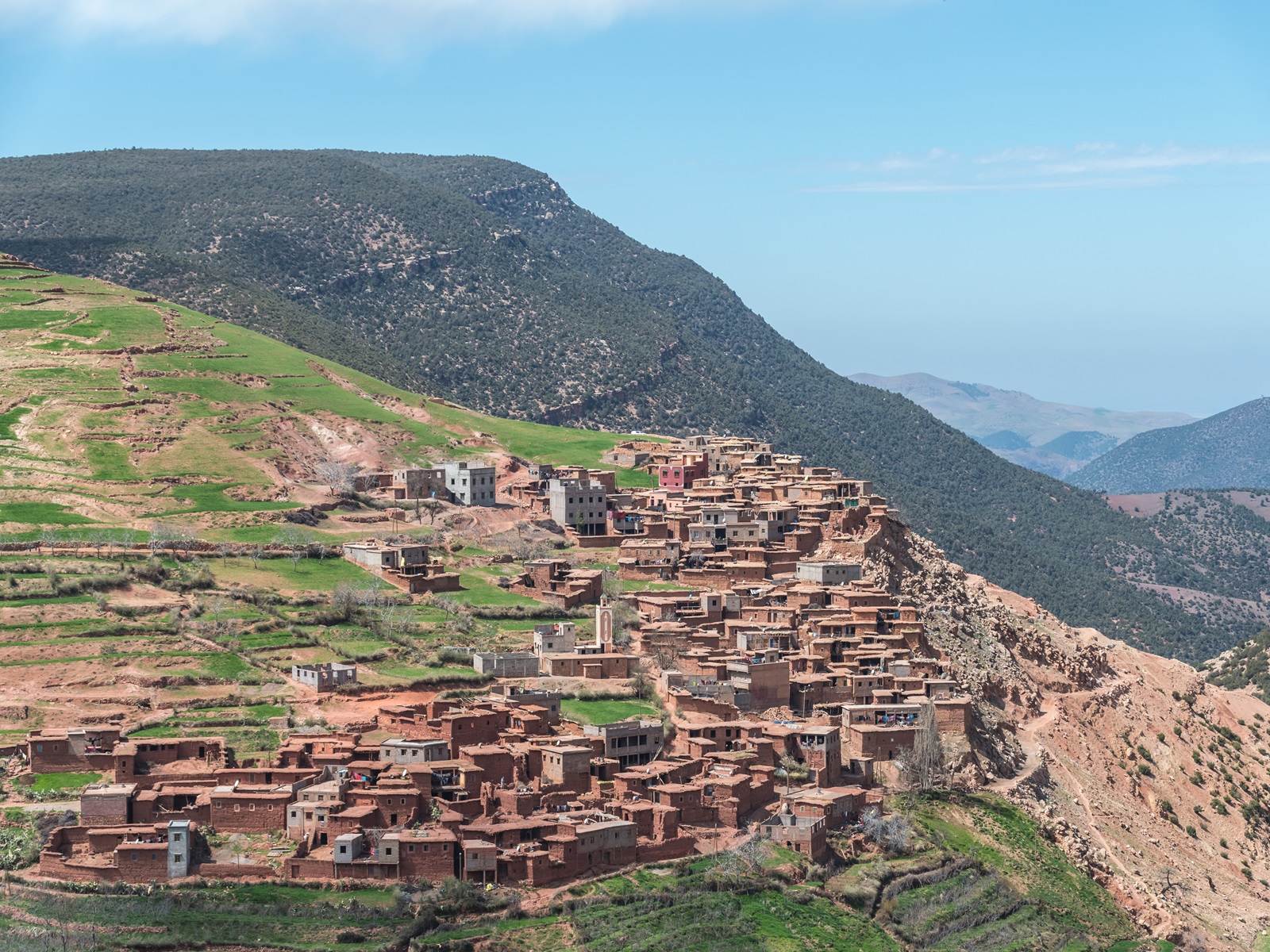
Experience the ultimate 5-day High Atlas trekking adventure, 5 Days High Atlas Mountains Hiking Adventure from Marrakech, crossing high passes, remote valleys, and authentic Berber villages.
Included
- Private transport
- Certified mountain guide
- Mule and muleteer
- Accommodation (4 nights)
- All meals during trek
- Cooking equipment
Not Included
- International flights
- Travel insurance
- Personal trekking gear
- Tip
-
Departure
Marrakech -
Departure Time
8 AM -
Return Time
6 PM -
Dress Code
Comfort Shoes and Cloths
From our gallery
Tour Plan
1
Day 1: Marrakech – Imlil – Tizi Mzik Pass – Tamsoult Valley
Your adventure begins with a morning departure from Marrakech, heading south toward the High Atlas Mountains. After a scenic drive through mountain roads and Berber villages, you arrive in Imlil (1,740m), the main trekking hub of the region. Here, you meet your licensed mountain guide and mule team before starting the trek.
The trail ascends steadily through terraced farmland, walnut groves, and juniper trees toward Tizi Mzik Pass (2,489m). From the pass, enjoy breathtaking panoramic views over the Imlil Valley and surrounding peaks. The trek then descends gently into the peaceful Tamsoult Valley, known for its waterfalls and tranquil atmosphere.
Dinner and overnight in a traditional Berber guesthouse.
The trail ascends steadily through terraced farmland, walnut groves, and juniper trees toward Tizi Mzik Pass (2,489m). From the pass, enjoy breathtaking panoramic views over the Imlil Valley and surrounding peaks. The trek then descends gently into the peaceful Tamsoult Valley, known for its waterfalls and tranquil atmosphere.
Dinner and overnight in a traditional Berber guesthouse.
Hiking time: 4–5 hours
Overnight: Tamsoult Valley
2
Day 2: Tamsoult – Aguelzim Pass – Toubkal Refuge
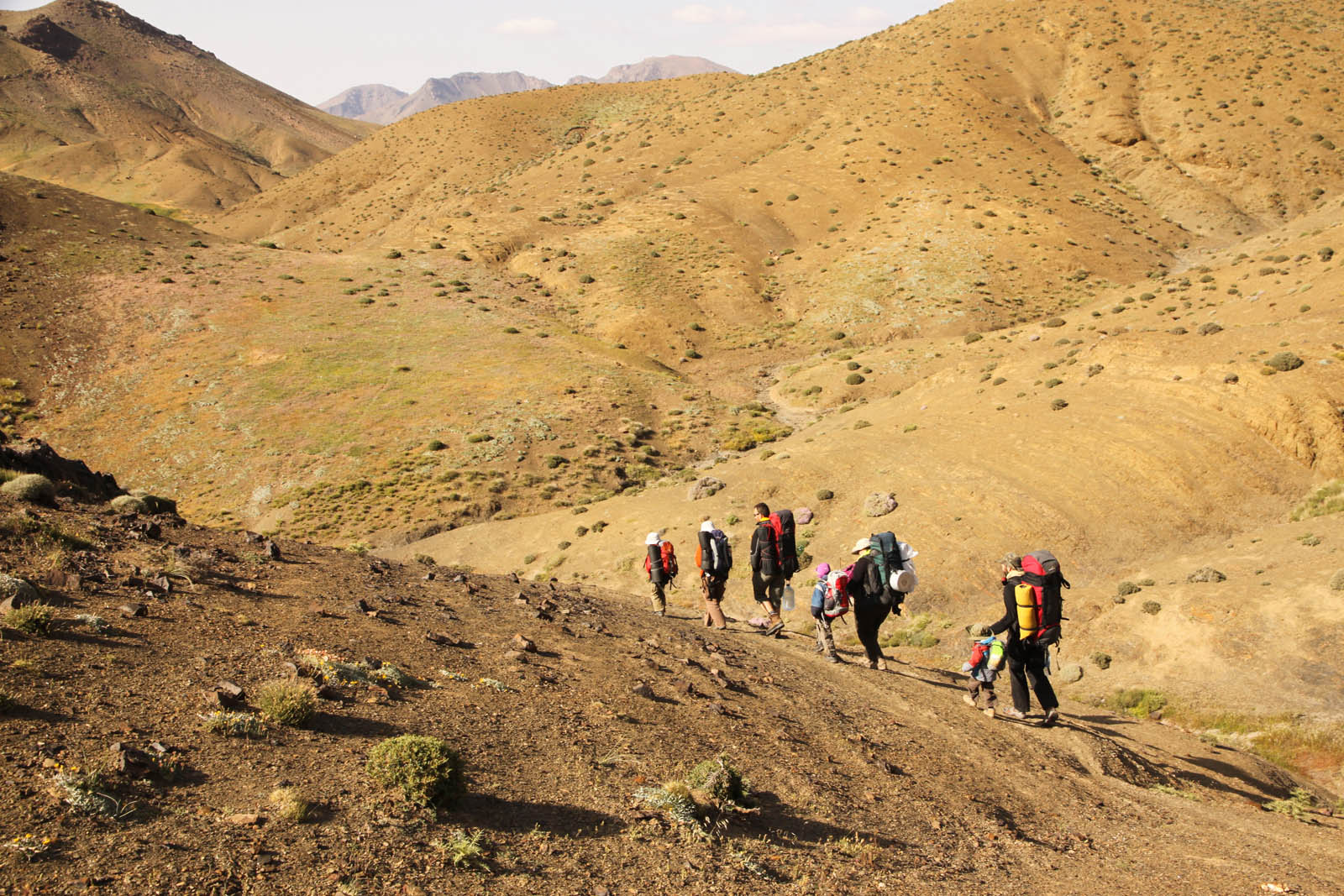
After breakfast, begin a long but rewarding ascent through rugged mountain terrain. The trail gradually climbs toward the impressive Aguelzim Pass (3,560m), offering sweeping views of the High Atlas range and Mount Toubkal massif.
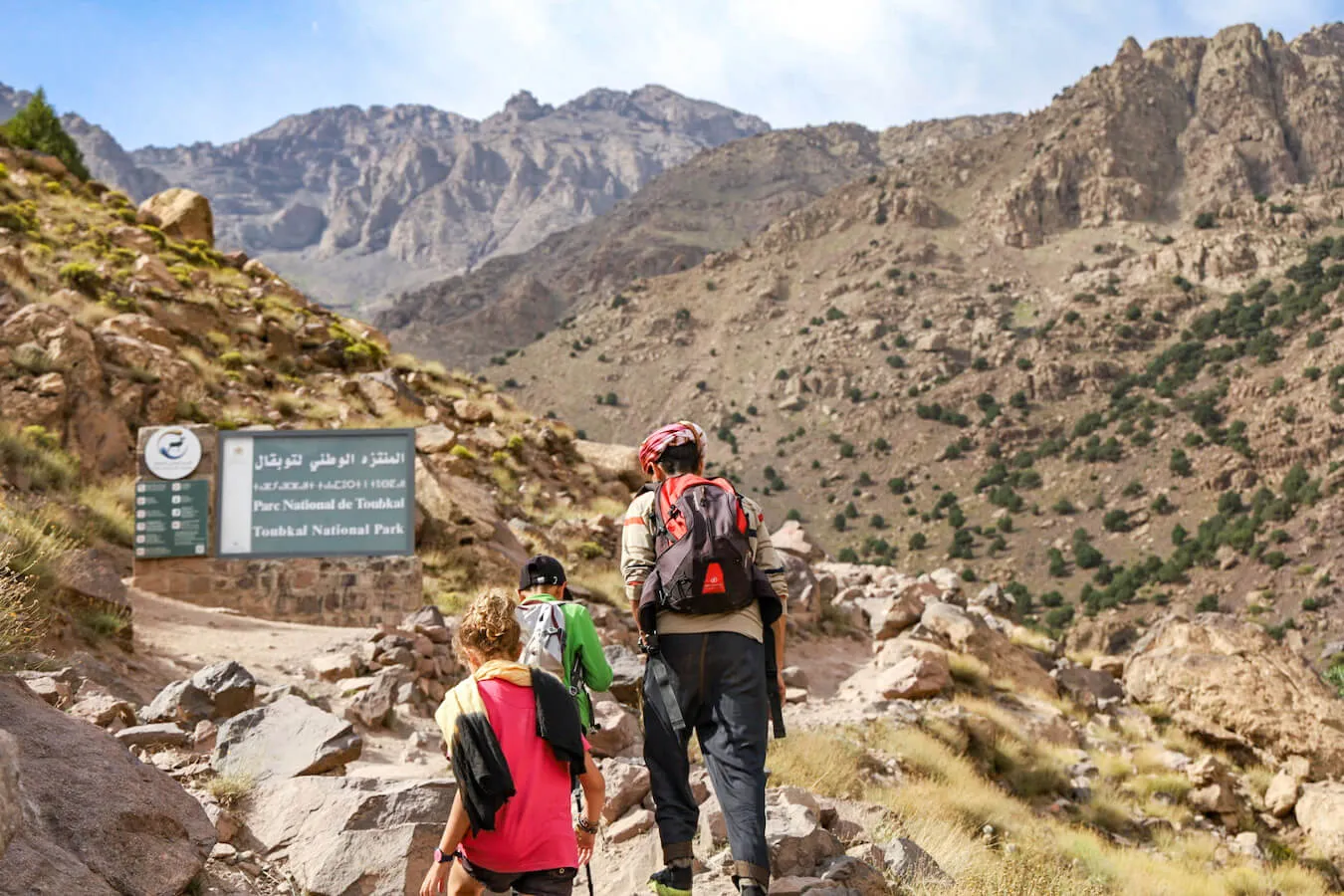
This section of the trek is ideal for acclimatization, with frequent stops to admire the dramatic landscapes and catch your breath. From the pass, the trail descends toward the Toubkal Refuge (3,207m), nestled beneath North Africa’s highest peaks.
Enjoy a hearty dinner and overnight at the refuge, surrounded by towering mountains and a true high-altitude atmosphere.
This section of the trek is ideal for acclimatization, with frequent stops to admire the dramatic landscapes and catch your breath. From the pass, the trail descends toward the Toubkal Refuge (3,207m), nestled beneath North Africa’s highest peaks.
Enjoy a hearty dinner and overnight at the refuge, surrounded by towering mountains and a true high-altitude atmosphere.
Hiking time: 6–7 hours
Overnight: Toubkal Refuge
3
Day 3: Toubkal Refuge – Ait Aissa Village
Today the trek shifts into remote valleys rarely visited by tourists. After breakfast at the refuge, you begin descending through rocky paths and alpine scenery, gradually leaving the high-altitude environment behind.
The trail passes through isolated landscapes and traditional Berber settlements, providing insight into mountain life that has remained unchanged for generations. You’ll encounter shepherds, cultivated terraces, and ancient footpaths connecting villages.
Arrive in the quiet village of Ait Aissa, where you are welcomed into a local guesthouse. Enjoy a home-cooked dinner and a restful night.
The trail passes through isolated landscapes and traditional Berber settlements, providing insight into mountain life that has remained unchanged for generations. You’ll encounter shepherds, cultivated terraces, and ancient footpaths connecting villages.
Arrive in the quiet village of Ait Aissa, where you are welcomed into a local guesthouse. Enjoy a home-cooked dinner and a restful night.
Hiking time: 4–5 hours
Overnight: Ait Aissa village
4
Day 4: Ait Aissa – Tizi Oudite Pass – Oussaden Valley
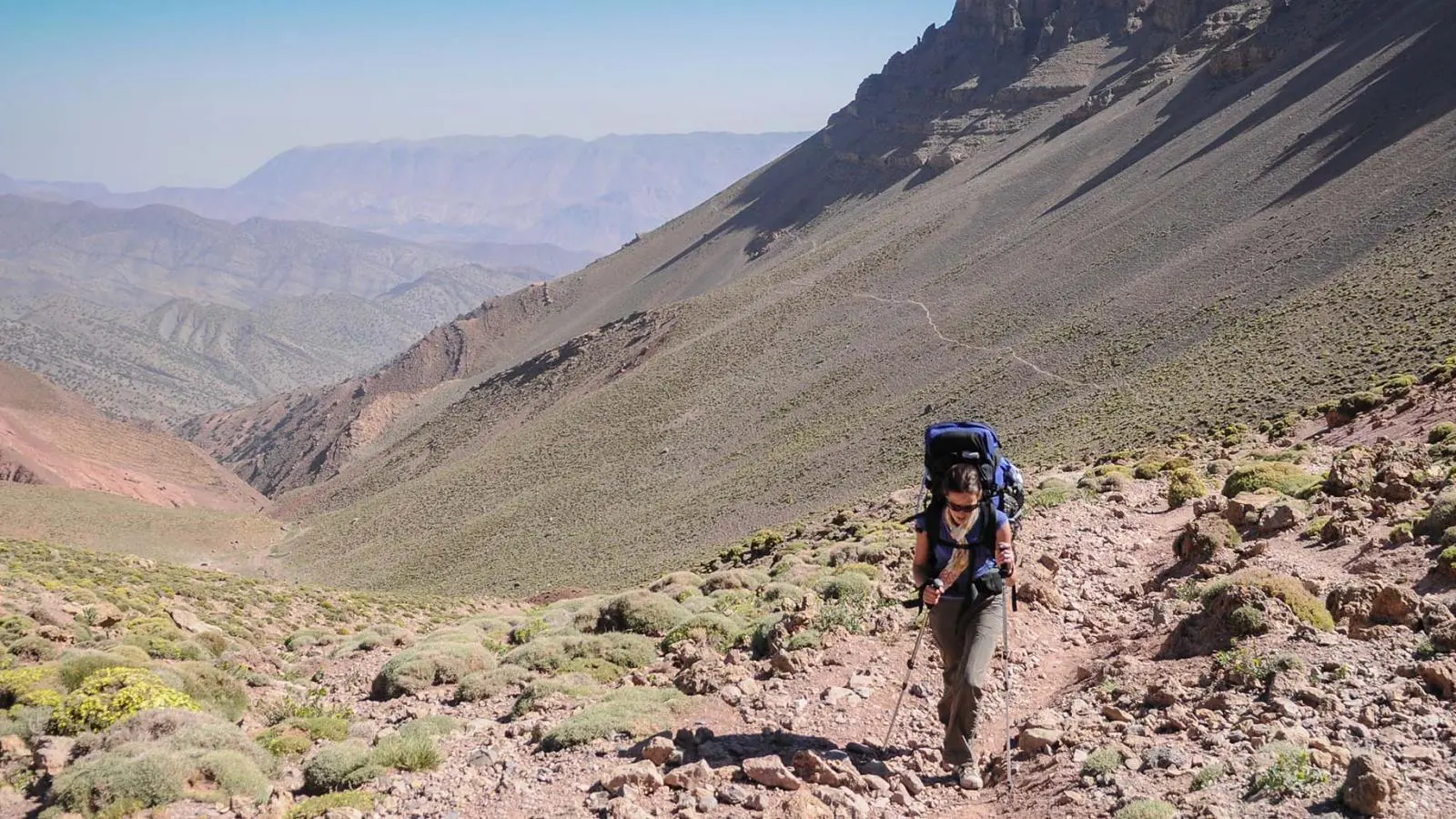
After breakfast, the trail climbs toward the scenic Tizi Oudite Pass, offering panoramic views over deep valleys and distant mountain ridges. This day combines gentle ascents with rewarding viewpoints, making it one of the most scenic parts of the trek.
Descending from the pass, you enter the lush Oussaden Valley, known for its green terraces, apple orchards, and traditional Berber villages. The valley’s peaceful atmosphere contrasts beautifully with the rugged high-mountain terrain of previous days.
Overnight in a comfortable guesthouse in the valley.
Descending from the pass, you enter the lush Oussaden Valley, known for its green terraces, apple orchards, and traditional Berber villages. The valley’s peaceful atmosphere contrasts beautifully with the rugged high-mountain terrain of previous days.
Overnight in a comfortable guesthouse in the valley.
Hiking time: 5–6 hours
Overnight: Oussaden Valley
5
Day 5: Oussaden Valley – Imlil – Marrakech
After breakfast, enjoy a relaxed final trek through scenic mountain paths leading back to Imlil Valley. The route passes small villages, cultivated fields, and flowing streams, offering a last glimpse of authentic High Atlas life.
Upon arrival in Imlil, enjoy lunch before your transfer back to Marrakech, arriving in the late afternoon with unforgettable memories of mountain landscapes, Berber hospitality, and diverse trekking routes.
Upon arrival in Imlil, enjoy lunch before your transfer back to Marrakech, arriving in the late afternoon with unforgettable memories of mountain landscapes, Berber hospitality, and diverse trekking routes.
Hiking time: 3–4 hours
End of services
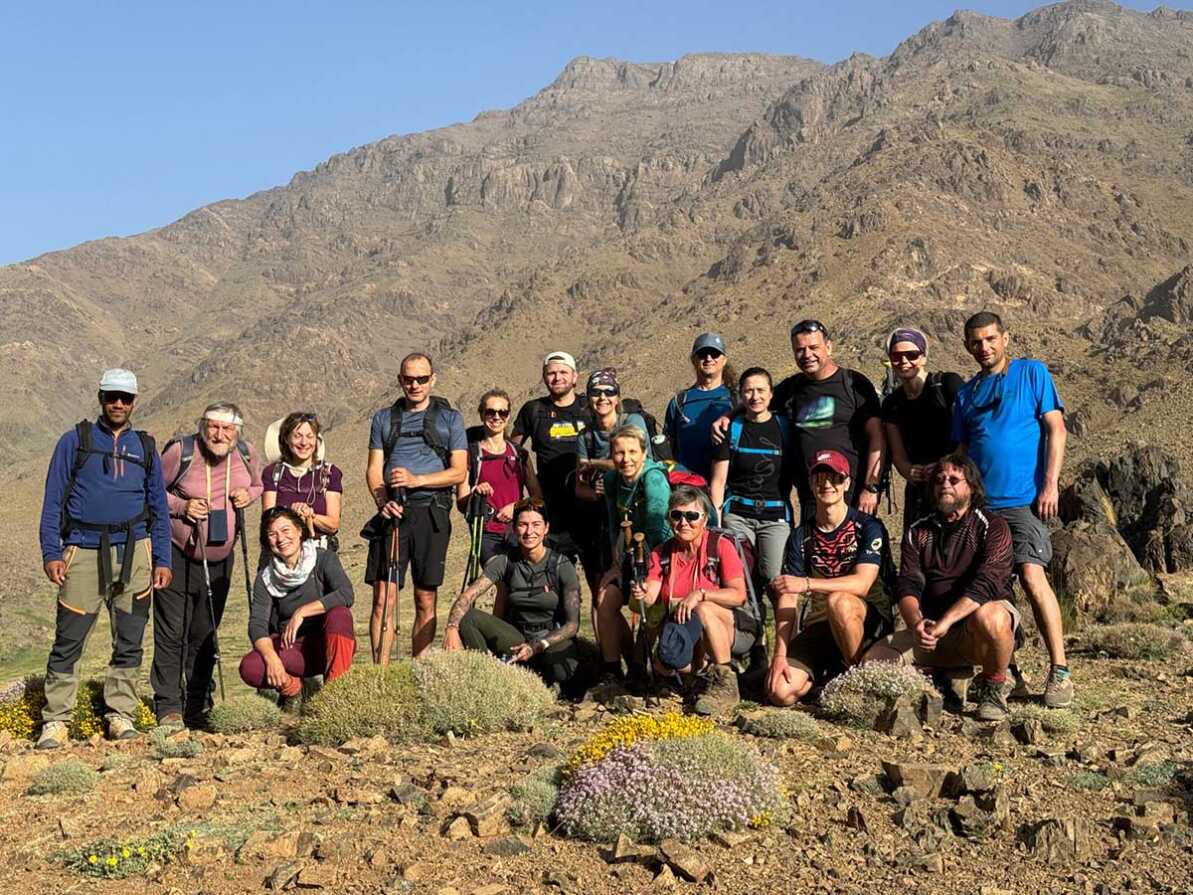
Gallery
🧭 Tour Information – High Atlas Mountains & Mount Toubkal Treks
This section applies to all trekking and hiking tours in the High Atlas Mountains, including Berber village hikes and Mount Toubkal ascents.
🥾 What You Should Bring
To ensure a safe and comfortable trekking experience, we recommend bringing the following essentials:
- Comfortable trekking backpack (20–35L)
- Good-quality hiking boots (well broken-in)
- Warm sleeping bag (especially for refuge stays)
- Trekking poles (optional but highly recommended)
- Reusable water bottle or hydration system
- Sunscreen (high SPF), lip balm & sunglasses
- Personal first aid kit & medications
- Headlamp or torch (important for summit days)
- Camera or phone for photos
- Personal toiletries & wet wipes
- Cash for tips and personal expenses
- Lightweight, breathable hiking clothes
- Warm fleece or down jacket
- Waterproof and windproof jacket
- Trekking trousers (convertible recommended)
- Thermal base layers (for high altitude or winter)
- Sun hat or cap
- Warm hat and gloves (essential above 3,000m)
- Comfortable hiking socks (plus spare pairs)
- Spring (March–May): Mild temperatures, green valleys, wildflowers
- Autumn (September–November): Clear skies, perfect hiking conditions
- Possible but warmer at lower altitudes
- Early starts recommended
- Snow above 3,000m
- Ideal for experienced trekkers and winter ascents of Mount Toubkal
- Requires winter equipment and professional guidance
- Berber village treks: Easy to moderate
- High Atlas multi-day treks: Moderate
- Mount Toubkal ascent: Moderate to challenging
- All treks are led by licensed, experienced local mountain guides
- Mule support is provided to carry luggage and supplies
- First aid equipment is carried by guides
- Routes are adapted based on weather and group ability
- Safety and comfort are our top priorities
- Accommodation in Berber guesthouses, mountain lodges, or refuges
- Clean, simple, and authentic mountain hospitality
- Meals are freshly prepared by our cook and include:
- Breakfast, picnic lunches, and hot dinners
- Vegetarian options available upon request
- Mineral water is provided during the trek
- Traditional Moroccan meals (tajines, soups, salads)
- Special dietary requirements can be arranged in advance
- Mules carry main luggage (max weight applies)
- You only carry a daypack during hikes
- Personal valuables should stay with you
- Mountain guide
- Muleteers
- Cook
- Trekking and hiking activities
- High-altitude trekking (for Toubkal)
- Medical evacuation
- Hiring local guides and muleteers
- Using local guesthouses
- Respecting Berber culture and traditions
- Practicing Leave No Trace principles
- Help you choose the right trek
- Advise on equipment rental
- Customize your itinerary
- Answer any pre-departure questions